

And buried deep in the green crests of Himachal Pradesh tourism, Kasol is not a village like any other village in the Himalayas--it is an emotion. Within ten years, it has managed to become one of the most well-known Kasol backpacking sites in India without becoming placid and retaining its soulful essence. I have wandered its riverside paths in the morning, dined at the small cafes with Israeli tourists, hiked through pine forests perfumed with rain and resin, and now know myself why Kasol impresses so much.
This is not just another superficial Kasol travel guide. You will also know the best attractions in Kasol, how they work in the real world and how to develop a realistic Kasol trip itinerary that will offer you the best balance between nature and culture, as well as adventure. This guide will make you feel relaxed and have faith in exploring the valley as you can be a first time visitor or revisiting it to have a better understanding of the valley.
The reasons why Kasol remains an attraction to visitors.
Kasol is a small settlement at the foot of some of the purest mountain scenery in North India, on the side of the Parvati River, and at an altitude of about 1,580 meters above sea level. It is the only tourist attraction of Kasol with a peculiar combination of:
- Untouched alpine scenery
- Deep-rooted village culture
- A global traveler community
- Proximity in the world of nature and hiking sites, Kasol.
Kasol is also the spiritual and logistical point to Parvati Valley- one of the most diverse biodiversity river valleys in the western Himalayas. This is a strategic location which can be explored well.
1. Riverside Walks of the Parvati River and Kasol Riverside Walks.

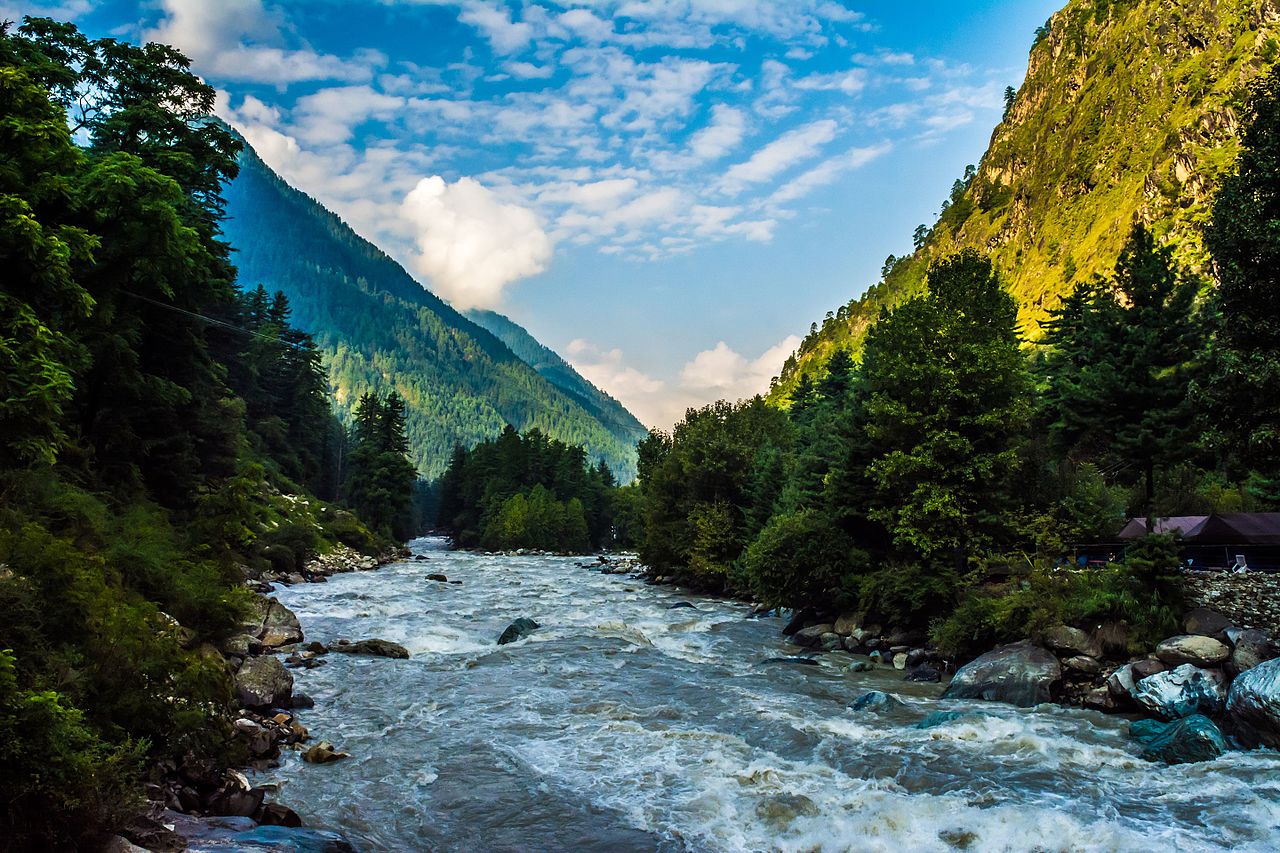
If Kasol has a heartbeat, it is the Parvati River. The icy, fast-moving water originates from the Mantalai Glacier and cuts through the valley with staggering force and beauty.
Why It Belongs on Every Kasol Trip Itinerary
Morning walks along the river path behind the main market are among the most grounding travel experiences you can have here. I remember sitting near Chalal Bridge at 6 a.m., watching mist lift slowly while café owners brewed their first pots of coffee—it was a moment of absolute stillness in a village known for movement.
Practical Insights
- The riverside trail is flat and safe for all fitness levels
- Early mornings offer the best light and solitude
- Avoid stepping too close during monsoon months due to flash flood risk
This stretch is one of the most peaceful Kasol sightseeing spots and an essential introduction to the valley’s rhythm.
2. Chalal Village – The Soulful Forest Escape


Just a 30–40 minute walk from Kasol lies Chalal, a village suspended between rivers, forests, and time. Unlike Kasol’s bustling main road, Chalal operates at its own unhurried pace.
Lived Experience from the Trail
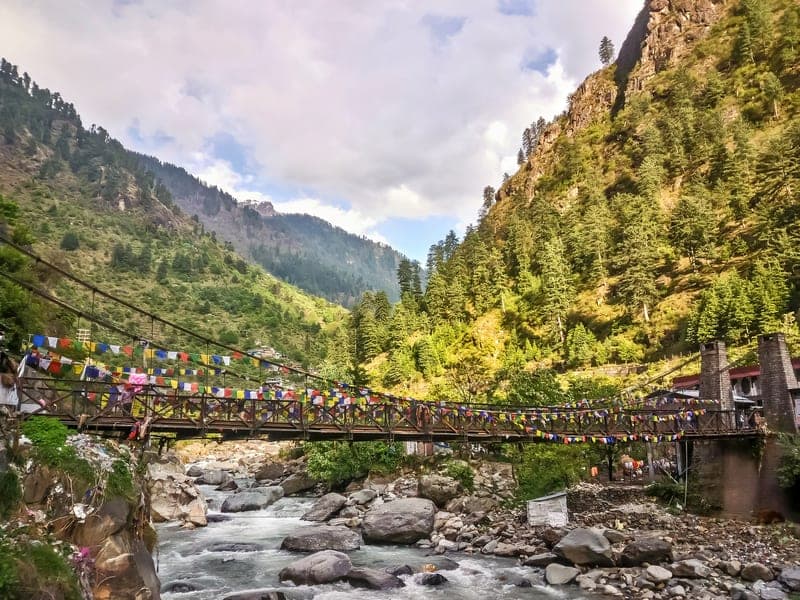
The trail crosses a hanging bridge over Parvati River before climbing gently through deodar forests. During one winter hike, I encountered a shepherd guiding his flock through falling snow—the kind of unscripted moment that defines Himalayan travel.
Why Chalal Is Among the Best Places Near Kasol
Home to minimalistic cafés and homestays
Offers uninterrupted forest silence
Ideal for digital detox stays
Popular with long-term backpackers
If Kasol is the introduction, Chalal is where travelers often pause and reflect. It is one of the most meaningful Kasol Parvati Valley places for slow, immersive stays.
3. Manikaran Sahib – Faith, Fire & Healing Waters
Manikaran Sahib, a holy intersection of spirituality, geology and hospitality is located only 4km away at Kasol. The natural hot springs in this place are also considered as some of the hot springs in India and are usually above 65degC.
More Than a Religious Site
Although mostly considered a Sikh pilgrimage center, which honours the visit of Guru Nanak, also Manikaran is a holy place among Hindus because of temples of Lord Shiva and Goddess Parvati.
What Makes It a Can Not Miss Tourist Attraction in Kasol.
Free community meals (langar) at the daily meals.
Natural geothermal springs that are used to cook food.
Deep spiritual energy with multi-faith significance
From a travel anthropology perspective, Manikaran exemplifies how natural resources shape religious tradition. It is among the most culturally powerful Kasol sightseeing spots.
5. Tosh Village – Gateway to High-Altitude Wilderness

Situated at 2,400 meters, Tosh marks the point where roads give way to raw Himalayan wilderness. The village clings to a mountainside overlooking endless folds of forest and snow.
Why Tosh Is Central to Kasol Nature and Trekking Spots
- Base for Kheerganga and Pin Parvati treks
- Alpine meadows and glacial streams
- Dramatic sunsets and stargazing opportunities
- During a two-night stay in Tosh, persistent snowfall once blocked vehicle movement, and villagers helped tourists shift to safer homestays. That experience alone reshaped my understanding of mountain hospitality and risk management.
Tosh is therefore not only scenic but also one of the most strategically important best places near Kasol for trekkers.
5. Kheerganga Trek – The Crown Jewel of Parvati Valley


Only a 30-40 minutes walk down the street of Kasol, there is another village, Chalal, hanging between rivers, trees and time. The main street of Chalal is rather slow, in contrast with busy Kasol.
First-hand Report of the Trail.
The path goes over a hanging bridge over Parvati River and then ascends slowly through deodar forest. This happened during one of my winter hikes when I found myself walking with a shepherd and his flock in falling snow- the sort of spontaneous experience that makes the Himalayan travel.
Safety & Planning Advice
Best attempted from April–June and September–November
Moderate fitness required
Always check weather and landslide conditions
Avoid solo night trekking
Kheerganga is widely regarded as the heart of Kasol Parvati Valley places and remains a defining highlight for adventure travelers.
How to Design a Practical Kasol Trip Itinerary (4 Days)
- Day 1: Arrive in Kasol, riverside walk, local cafés
- Day 2: Chalal village hike + evening in Kasol market
- Day 3: Manikaran visit + transfer to Tosh
- Day 4: Trek and descent of Kheerganga.
This building strikes the right balance between recreation and activity, and is perfect both to the leisure traveler and serious hiker.
The Time of the Year to Go to Kasol to have the best time.
- March to June Ideal period due to trekking and sightseeing.
- July- August: Lush forests though dangerous as a result of landslides.
- September- November: chilly weather, rusty leaves.
- December- February: Paradise of snow lovers, restricted accessibility.
The seasonal timing is important to deal with the aspect of safety and the visual payoff of all the Kasol nature and trekking spots.
Accommodation Food Reality Check.
The cafe culture in Kasol has become an international one. You will find:
- Israeli, Italian, Himalayan food.
- Homestays cost between Rs 800- Rs 3,000/night.
- There are only a few luxury hotels, but luxury is not about facilities, but about the scenery.
As far as the economics of a traveler is concerned, Kasol is still cheap but gradually increasing in price due to the rise in demand.
Travel Ethics and Environmental responsibility.
Parvati Valley is experiencing pressure due to over-tourism. As a responsible traveler:
Avoid single-use plastics
- Carry back all trek waste
- Faith in village traditions and animals.
- Promote homestays as opposed to large hotels.
Sustainable travel is not a choice anymore in the delicate mountain ecosystems instead it is a responsibility.
Concluding Remarks: The Importance of Kasol Still.
The fact that Kasol and so many other hill stations are so different is not merely the scenery--but the magnitude, the accessibility, the populace and the uncouth reality. A combination of Kasol Himachal Pradesh tourism, spiritual background, trekking facilities, and backpackerism makes it a destination that is still developing yet remains stable.
The best attractions in Kasol, starting with the silent dales of the rivers, through the hot springs of the mountains, to the roads of ancient villages, and the pavements of the cafes, are all a story of harmony between tradition and change.
Kasol has ceased being a point of attraction on a map but a point of conduction to Himalayan travellers.